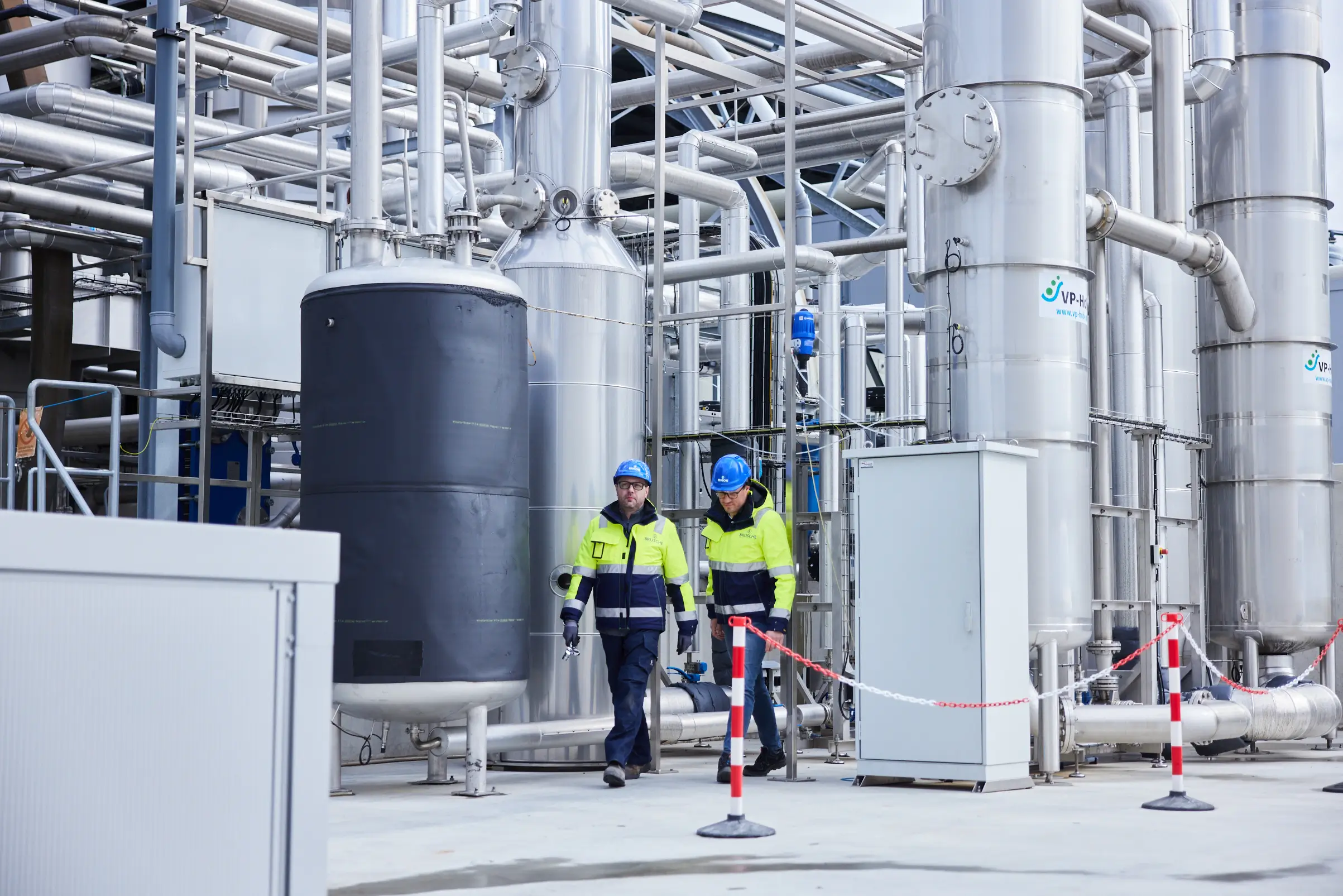
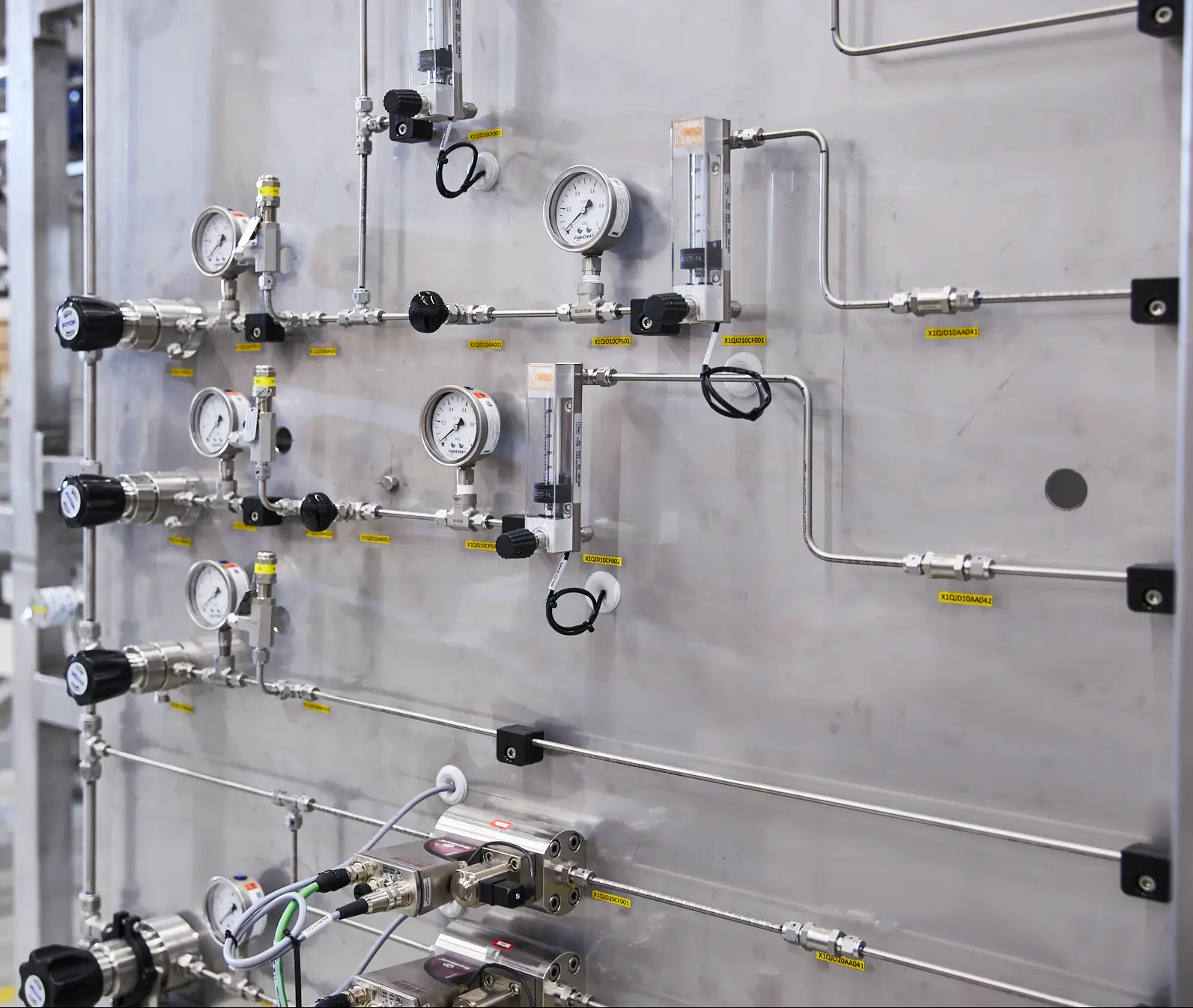
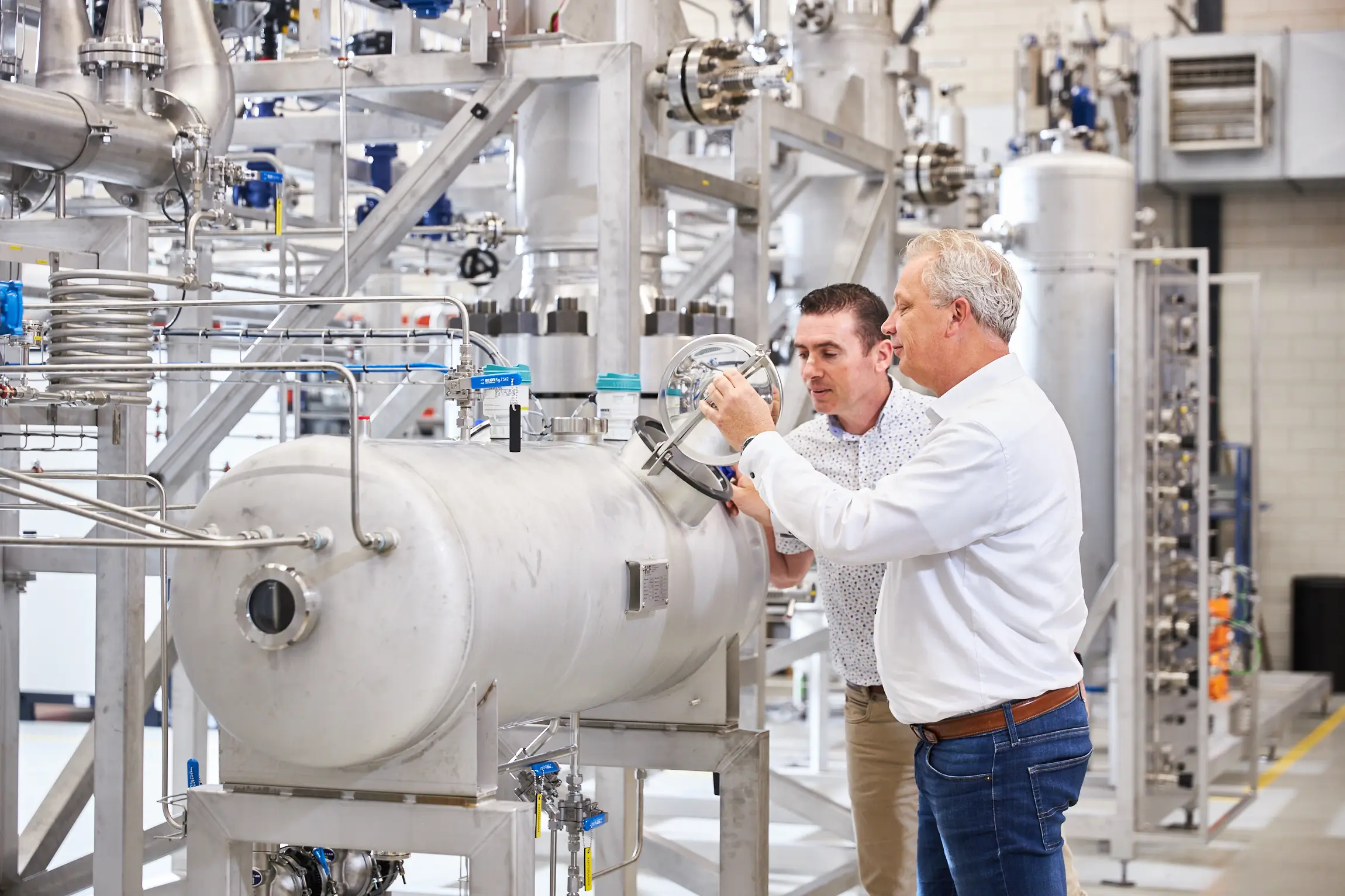
Brusche process solutions contribute to operational efficiency. Whether a completely new process or optimizing an existing process, we bring to our solutions our industry experience and expertise in CO2 emissions, energy consumption and savings.
Together with you, we look for innovative solutions to make process plants as sustainable, cost-effective, reliable, efficient and safe as possible. We are progressive when it comes to controlling all environmental aspects and effects.
We are familiar with the specific standards and requirements of the chemical, food and pharmaceutical industries. You can rely on us for a proficient approach.
Process safety is important in any industry. In the chemical industry, this is certainly true. When developing a process plant, we pay close attention to safety:
De mogelijkheid end-to-end oplossingen te bieden, van ontwerpt tot implementatie en onderhoud, stelt ons in staat processen voor onze klanten te stroomlijnen. One geintegreerde aanpak bespaart tijd en middelen. Met focus op duurzaamheid en efficiëntie helpen wij onze relaties hun doelen te bereiken en tegelijkertijd hun impact op het milieu te minimaliseren.
The ability to provide end-to-end solutions, from designs to implementation and maintenance, allows us to streamline processes for our customers. One integrated approach saves time and resources. With a focus on sustainability and efficiency, we help our clients achieve their goals while minimizing their impact on the environment.
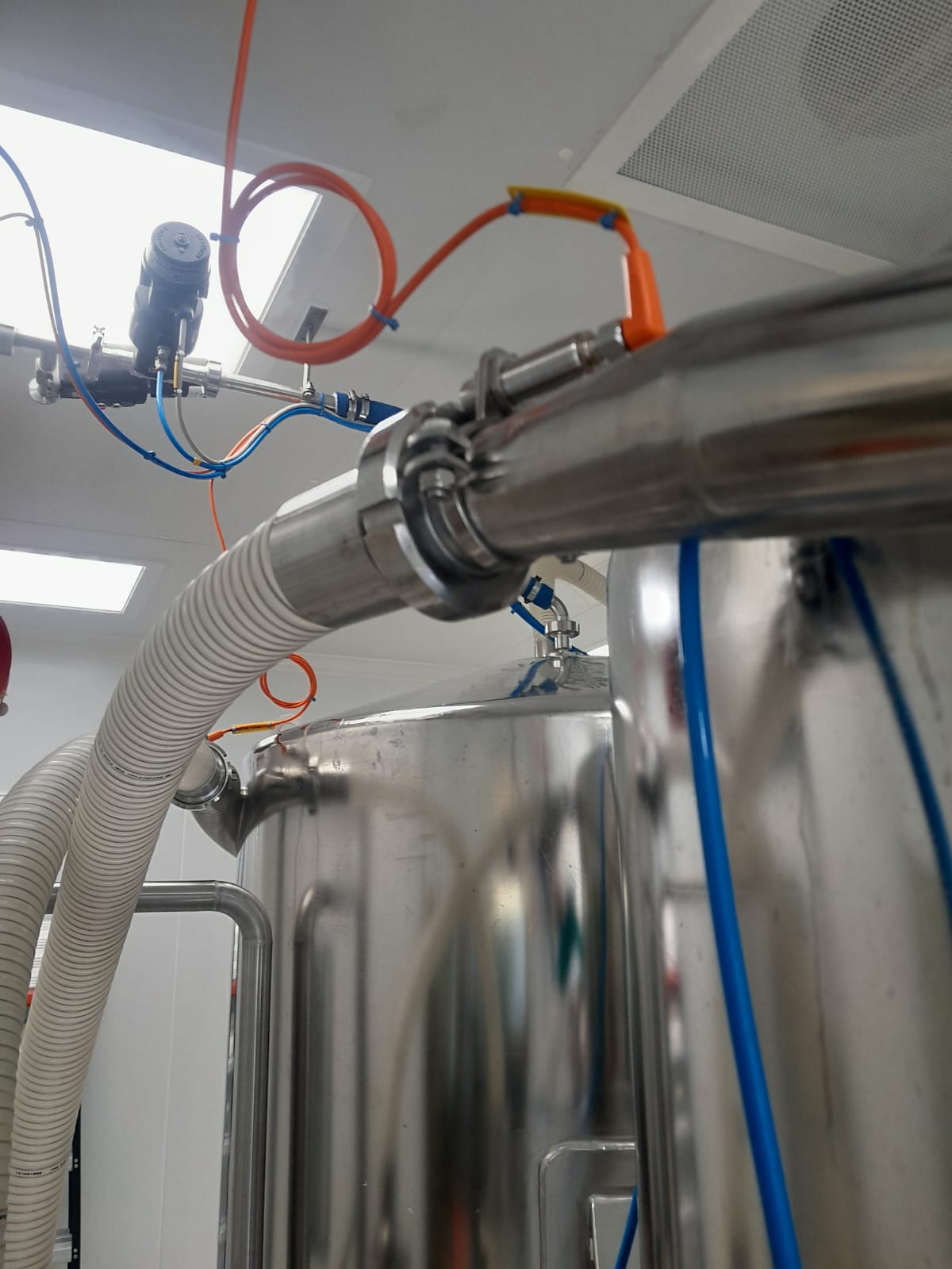
In the pharmaceutical and food industries, hygiene is crucial. This translates into requirements for process design and the materials from which the installation is constructed. Examples include GAMP and Annex 15 – Qualification and Validation. This latest guideline from the European Medicines Agency (EMA) provides guidelines for the qualification and validation of pharmaceutical manufacturing processes and systems, including design verification and validation.
GAMP (Good Automated Manufacturing Practice) is a guideline for the validation and management of automated systems in the pharmaceutical industry. It provides guidelines for designing, validating and maintaining automation systems to ensure the quality, safety and reliability of pharmaceutical processes.
Several standards and guidelines address the hygienic aspects of equipment in the food industry. Examples include the EHEDG (European Hygienic Engineering & Design Group) guidelines and the 3-A Sanitary Standards.
HACCP (Hazard Analysis and Critical Control Points) principles are not a design guideline per se. Yet it is an important part of the design process in the food industry. It includes identifying hazards, establishing critical control points and implementing appropriate control measures to ensure food safety.
The IFS (International Featured Standards) and BRC (British Retail Consortium), which cover quality and food safety standards, also include requirements for the design and construction of food manufacturing facilities.
Please provide your details to download this file.