CO2 liquefaction

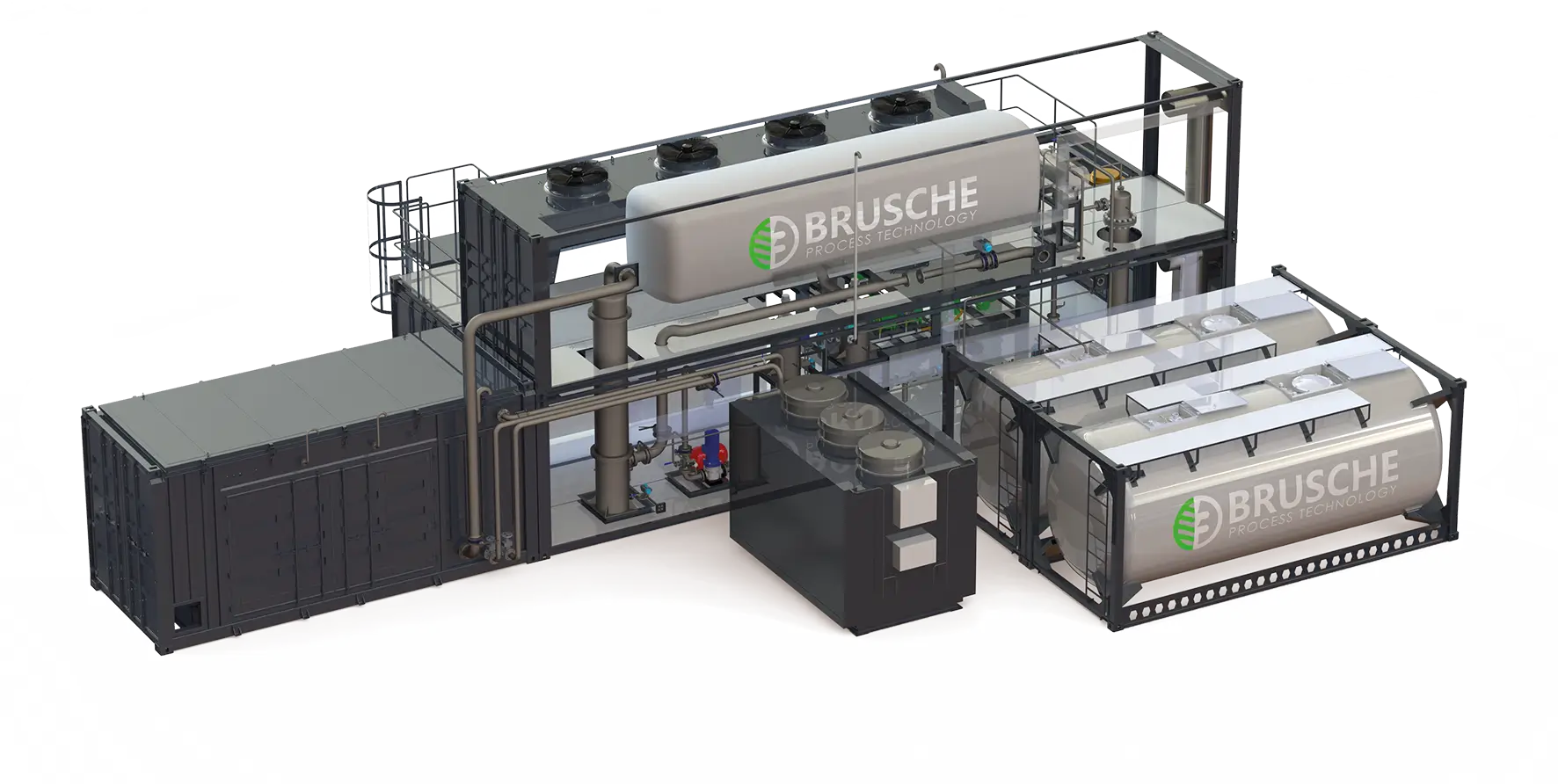
CO2 liquefaction is the process of converting gaseous CO2 into a liquid state. This is done by compressing the gas at high pressure, after which it is cooled to low temperature. Liquefaction is an important step in the process of CO2 capture, storage and reuse (CCS and CCU).

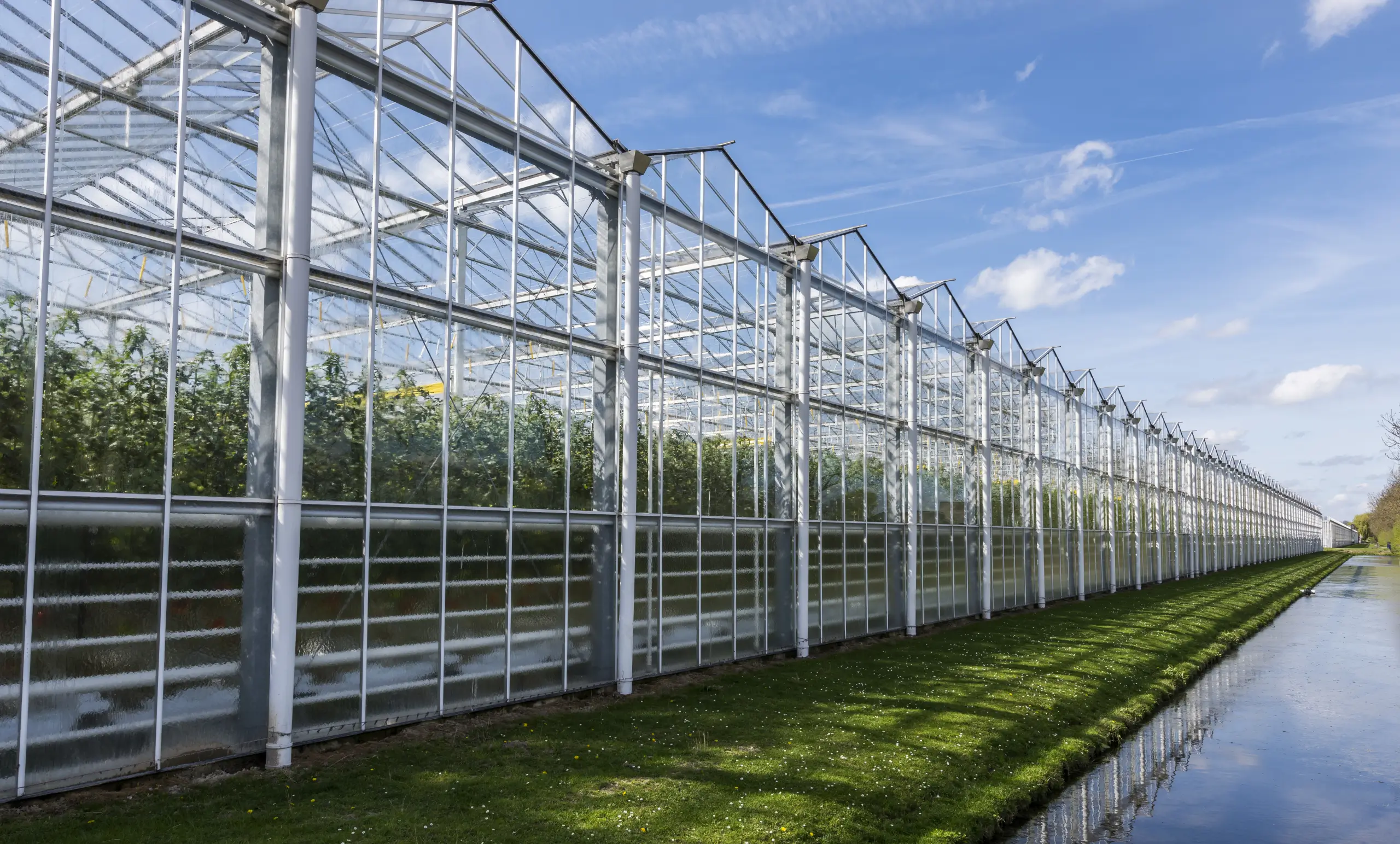
We provide turnkey solutions for CO2 liquefaction. Our innovative technology is designed to recover nearly 100 percent pure CO2 from a CO2-rich gas stream and liquefy it cost-effectively. The CO2 is of high purity and meets the specific needs of the food and beverage industry. The certified CO2 can also be used in greenhouse farming. If required, we can take care of the off-take of the CO2 for you.

Durable design

Brusche Process Technology offers liquefaction solutions for various markets, such as the biogas industry and waste-to-energy industry. Our CO2 liquefaction plant is unique in its use of a sustainable refrigerant, which combines maximum efficiency with minimal environmental impact.

We use a natural refrigerant in our systems. This has several advantages:

  • natural refrigerants are less harmful to the environment than most existing refrigerants;
  • an installation based on natural refrigerant consumes up to 30 percent less energy;
  • the cost of a natural refrigerant is lower, which lowers the operating costs of the plant.

Our liquefaction system can be fully integrated into your existing plant, allowing thermal energy from the plant to be reused. This reduces overall energy demand.

Sluiten van koolstofketens

Brusche Process Technology wil bijdragen aan het sluiten van koolstofketens. De eerste stap is het opvangen van de CO2. Deze kan worden ingezet als voedingsstof in de glastuinbouw en als alternatieve grondstof voor de productie van hernieuwbare chemicaliën, materialen en synthetische brandstoffen.

Het vloeibaar maken voor veilig en efficiënt transport naar partijen, die de CO2 gebruiken, is daarom een logische vervolgstap.

Closing carbon chains

Brusche Process Technology wants to contribute to closing carbon chains. The first step is to capture the CO2. This can be used as a nutrient in greenhouse horticulture and as an alternative raw material for the production of renewable chemicals, materials and synthetic fuels.

Therefore, liquefying it for safe and efficient transport to parties, who use the CO2, is a logical next step.

DOWNLOAD FILE

Please provide your details to download this file.

DOWNLOAD FILE

Please provide your details to download this file.

DOWNLOAD FILE

Please provide your details to download this file.

DOWNLOAD FILE

Please provide your details to download this file.

DOWNLOAD FILE

Please provide your details to download this file.

BESTAND DOWNLOADEN

Laat uw gegevens achter om dit bestand te downloaden