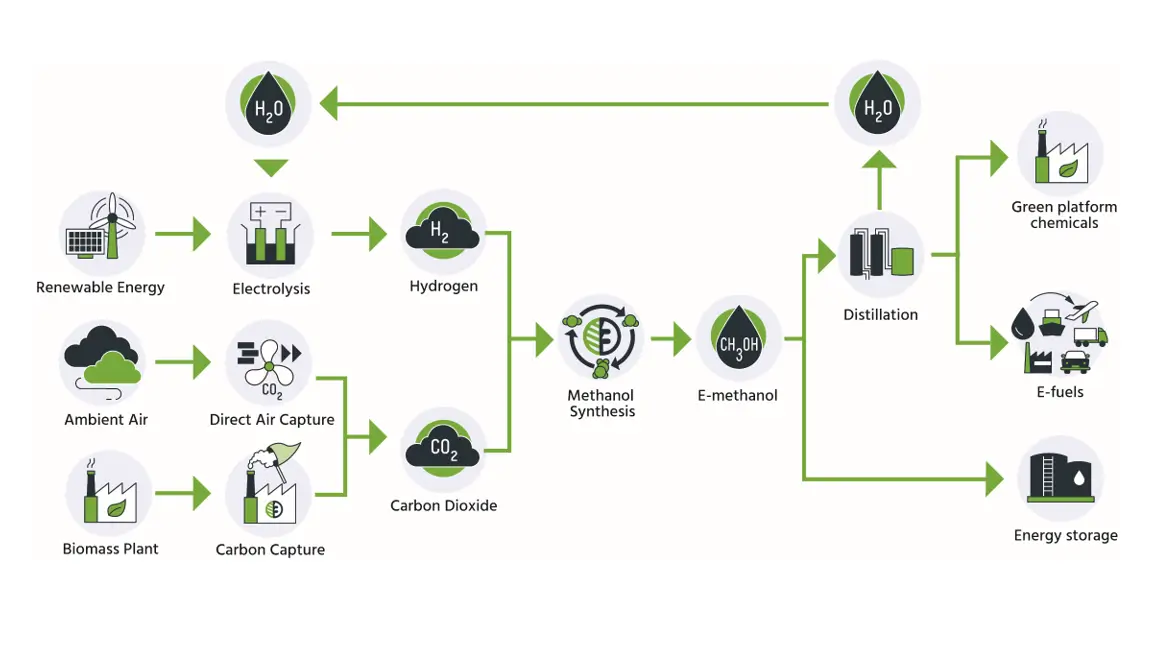
Our Sustainable Methanol concept offers a unique, reliable, flexible and efficient solution for converting (surplus) renewable electricity into a safe and effective energy storage medium. Through additional distillation, the crude methanol can be refined into e-methanol, widely recognized as both a key platform chemical and a clean, sustainable fuel.
Methanol, the simplest alcohol, is traditionally produced from carbon monoxide (CO) and hydrogen, generated from natural gas. It is, however, also possible to convert CO2 (obtained from biomass, air or flue gasses) and green hydrogen to renewable methanol in a similar manner.
Being a liquid at room temperature and ambient pressure, methanol serves as an efficient medium for energy storage and transport. Through additional distillation, it is refined into e-methanol, widely recognized as both a key platform chemical and a clean, sustainable fuel.
De technologie van het Brusche Sustainable Methanol Concept biedt een proces voor de productie van methanol uit CO2 en H2 bij milde temperaturen en druk, met een koolstofopbrengst van bijna 100%. Dit wordt gerealiseerd door gebruik te maken van een innovatief reactorontwerp met een interne gasrecycle. Bovendien verwijdert een in-situ condensor het condenseerbare methanol en water uit de reactor, terwijl de niet gereageerde gassen gerecycled kunnen worden. Een ander voordeel van het proces is de mogelijkheid om te werken zonder externe warmte-input en met natuurlijke convectie, die de interne gascirculatie aandrijft. Dit betekent dat er geen dure gasrecyclingcompressor nodig is.
Het compacte formaat van de e-methanol reactor maakt hem perfect voor kleinschalig gebruik, zoals plaatsing naast een zonnepark of windturbinepark.
De belangrijkste voordelen van het Brusche Sustainable Methanol Concept:
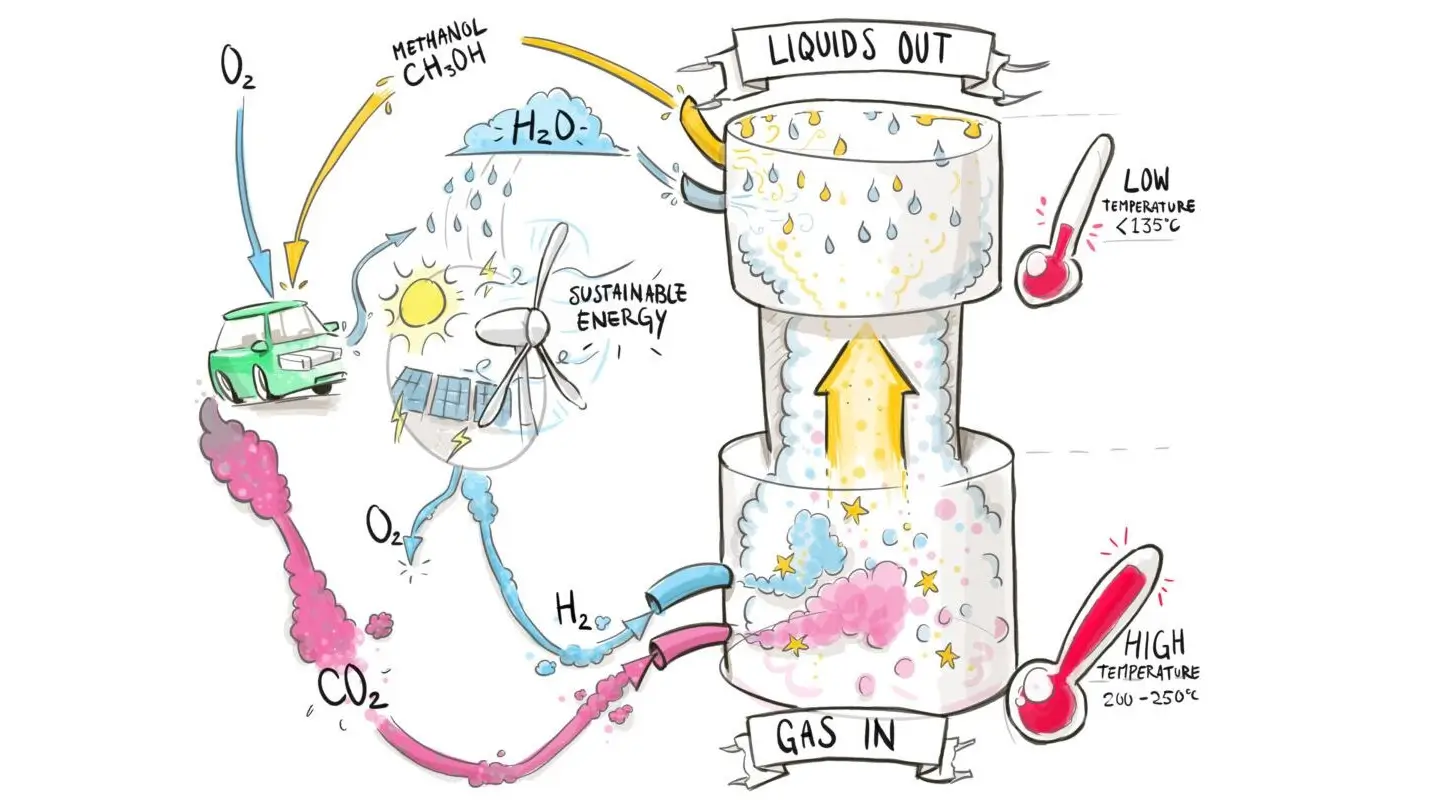
The technology of the Brusche Sustainable Methanol Concept provides a process for producing methanol from CO2 and H2 at mild temperatures and pressures with a carbon yield of nearly 100%.
This is realized by using an innovative reactor design with an internal gas recycle. An in-situ condenser removes the condensable methanol and water from the reactor while allowing the gases to be recycled. Another advantage of the process is the possibility of operating without external heat input and with natural convection driving the internal gas circulation, meaning that no expensive gas recycle compressor is required.
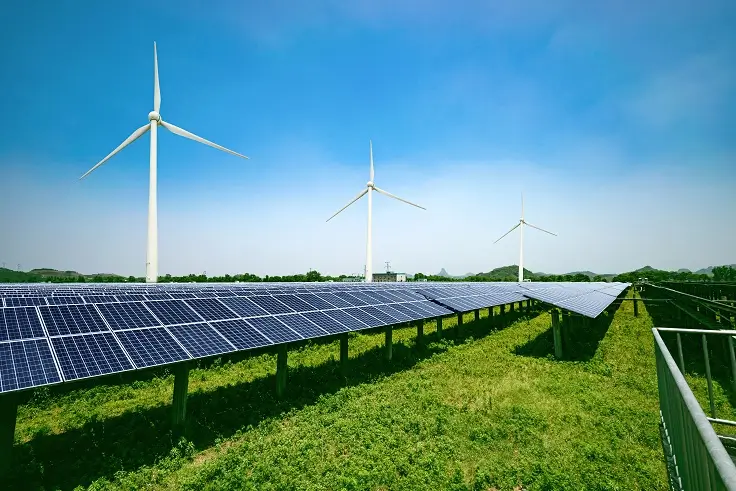
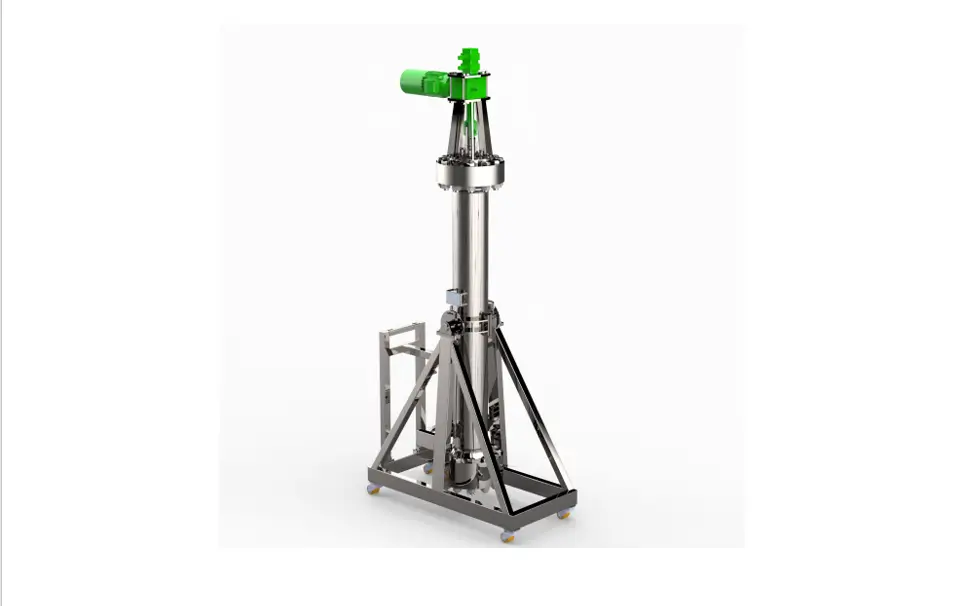
The compact size of the e-methanol reactor makes it perfect for smaller-scale use, such as placement alongside a solar farm or wind turbine park.
The Brusche sustainable Methanol concept’s key benefits:
Because of the rising amount of intermittently available sustainable energy, the storage of this energy for longer periods becomes increasingly important.
The growth of green electricity production from wind and solar puts strain on the electricity grid, leading to temporary shutdowns of wind turbines and solar farms to prevent overloading. This underlines the urgent need for a safe, reliable, flexible, transportable and efficient storage solution. Producing green methanol close to these renewable energy sources enables effective management of seasonal and intermittent fluctuations in energy production.
Methanol is an incredibly versatile product. In the chemical industry it is a building block for manufacturing a wide range of everyday household products, automotive components, paints, plastics and other valuable chemicals. It can also be converted into ethylene and propylene, as well as back to synthesis gas or hydrogen and CO2.
Increasingly, methanol is recognized as a clean, sustainable fuel. It can be used directly in fuel cells or serve as a substitute for gasoline or diesel. Thanks to its clean-burning nature, it produces fewer emissions and enhances fuel efficiency in land and marine vehicles. When produced from renewable sources such as captured CO₂ and green hydrogen, methanol becomes a net carbon-neutral fuel, aligning with climate policies aimed at reducing greenhouse gas emissions.
Methanol has long been widely produced from gas and coal. As a result, a methanol infrastructure has already been developed.
Crude methanol
Additionally, pure methanol:
Compared to e.g. hydrogen, ammonia or methane, methanol offers several benefits:
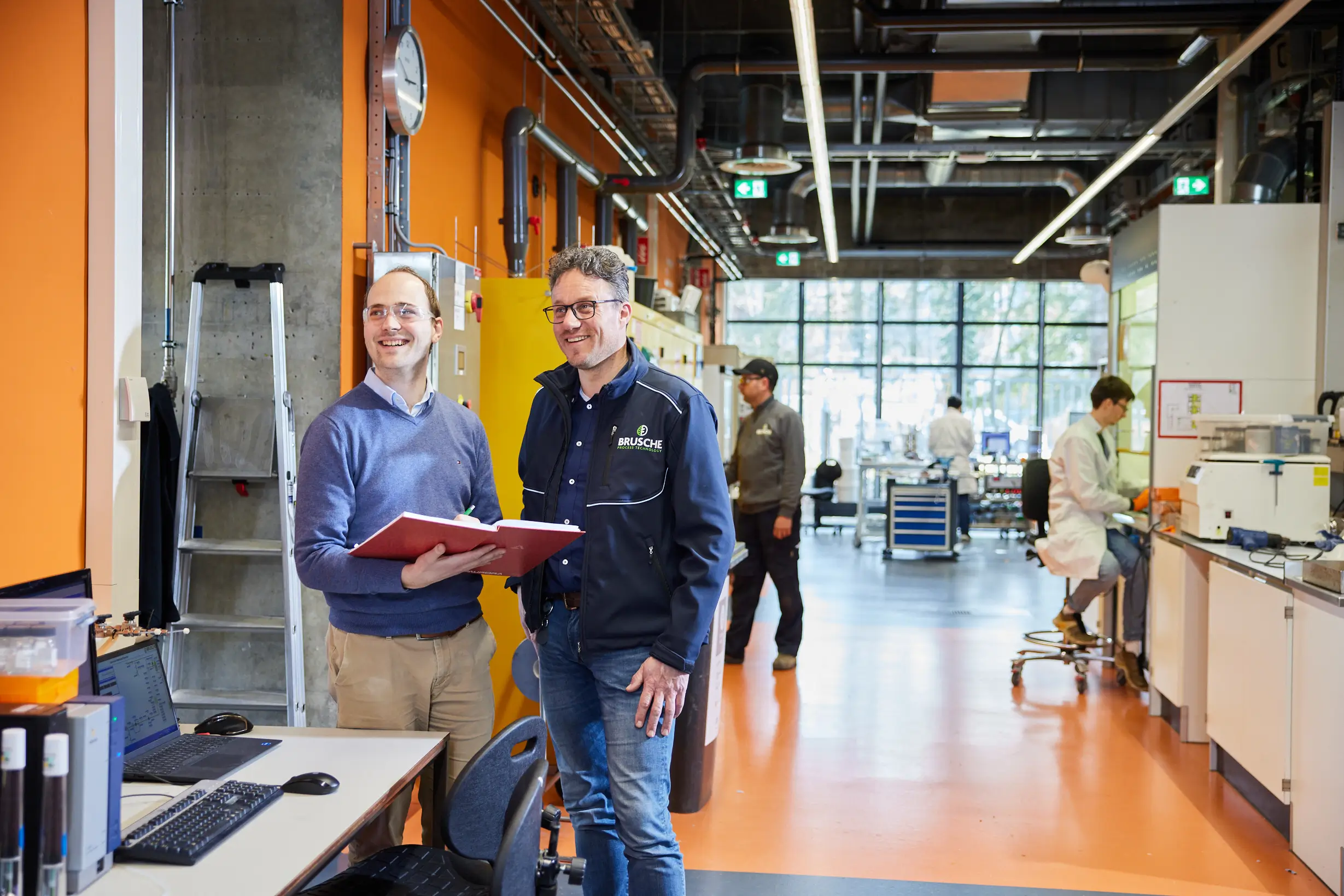
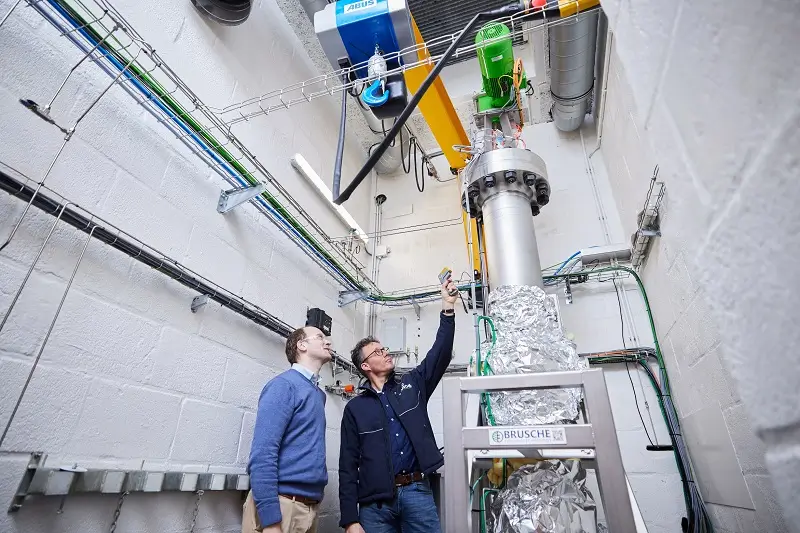
Brusche Process Technology has been partner in a consortium with the Institute for Sustainable Process Technology (ISPT), Shell and the University of Twente since March 2022. This consortium developed the new reactor design within the so called LOGIC project (Liquid Out, Gas In Concept). We realized the complete engineering, design and construction of this pilot plant.
The aim of the project was to scale up a reactor for methanol synthesis from CO2 and renewable hydrogen. The concept cleverly utilizes natural convection and in-situ condensation for the complete conversion of the gaseous reactants into the liquid product methanol – bypassing the limited equilibrium conversion.
Compared to conventional methanol production technology, it saves on both equipment investment and energy consumption.
The reactor was successfully tested in the University of Twente’s high pressure lab in 2023/2024. We will bring a modular system to market around 2025.
Brusche Process Technology is your technology partner for the entire process – from capturing CO2 from flue gases or ambient air, through methanol synthesis, to pilot and demonstration plants for the production of green platform chemicals and e-fuels.
Please provide your details to download this file.